
Jugo Verde
This traditional jugo verde is bursting with sweet citrus fruits, nutrient-packed vegetables, and a surprise ingredient — cactus! Try making it at home for a low-cost alternative to expensive store-bought juices without compromising flavor!

If you’ve never tried cactus, you’re in for a treat with this refreshing jugo verde (aka green juice)! Like my tropical mango pineapple smoothie, it offers the perfect balance of health and flavor. Plus, it’s way quicker and easier to make than pressed juice.
Why I love this recipe
Prickly pear cactus pads (nopales) are a staple throughout Mexico for both their health benefits and deliciously tangy flavor, and jugo verde is one of my favorite ways to incorporate them into my diet.
The blend of nopales, citrus fruits, ginger, and spinach fuels your body with a myriad of vitamins and minerals in each sip. No special kitchen techniques are required, either. Everything comes together in a blender and is ready in less than 10 minutes, making it perfect for busy mornings or a quick afternoon refreshment.
Compared to expensive options at juice bars, this drink is unbelievably budget-friendly. Plus, you don’t need to own a professional juicer. If you’re looking to add a health kick to your diet without breaking the bank, this recipe is a must-try!
Ingredients notes
You just need a few easy-to-find fruits and vegetables for this jugo verde recipe! Find a full breakdown and suitable substitutes below.

Nopales
Nopales form the base of most jugo verde recipes, adding a characteristic tart, tangy flavor (and a plethora of nutrients). You should be able to find nopales at your local Mexican food market.
Substitute: Cactus is the star here, but you can use other veggies like cucumber, broccoli, carrots, or beets. You can also try aloe vera for a similar texture but milder flavor.
Fruit
Pineapple provides a tropical sweetness while also aiding digestion. Navel oranges give a citrusy burst of vitamin C. Green apple adds tartness, balancing the sweetness of the pineapple and orange.
Substitute: If pineapples are unavailable, try mangoes, watermelon, or honeydew. Pears or other apple varieties work instead of green apples. No navel oranges? Try tangerines, mandarins, or grapefruit.
Vegetables
Celery provides a slight earthiness and green juice flavor, while spinach adds a healthy dose of iron and gives the juice its iconic green color.
Substitute: Cucumber will give you a similar fresh, hydrating effect with a milder flavor. Kale also works if you don’t mind a slightly more bitter, earthier taste.
Extras
Ginger adds a spicy zing, further promoting digestion and adding warmth. Lime imparts a zesty tang and a dose of vitamin C.
Substitute: Try turmeric for its unique earthiness and anti-inflammatory properties. You can also replace lime juice with lemon juice.
For a complete ingredient list and step-by-step guide, scroll down to the recipe card.
How to make
Learn the best way to make jugo verde with my straightforward, easy-to-follow instructions. Look for the tips in green throughout this section for consistent and successful results!
Preparation
Step 1
Prepare the cactus pad by cutting around both edges to remove the outer thorns. For the rest, run the edge of your knife horizontally all over the pad on both sides until the thorns are gone, then roughly chop it.
For safety reasons, I recommend gripping onto the cactus pad with a clean tea towel or holding it near the bottom where there are no thorns.

Step 2
Remove the ginger skin with a spoon if you’d like. Cut away the pineapple skin and roughly chop it. Core and chop the green apple, and cut the celery into manageable pieces. Slice the orange and lime in half so they’re ready to juice.
Juicing
Step 1
Place the cactus, ginger, pineapple, celery, apple, and spinach in a blender. Squeeze the juice from the orange and lime halves into the blender. Blend on high until the mixture is completely smooth and no chunks remain.
Try not to blend the juice for too long to prevent heating the fruits and vegetables, which can reduce their nutritional value.

Step 2
If you enjoy pulp, serve it as-is. If you prefer a smoother jugo verde, strain the blended mixture into a pitcher using a fine-mesh sieve or cheesecloth, pressing to extract all the juice. Happy drinking!

Expert tip
For the most vibrant and refreshing flavor, use fresh, good-quality, and ripe fruits and vegetables. The ripeness significantly impacts the sweetness and acidity balance in the juice.
Also, be very careful while preparing the cactus pad! Take your time to remove all the thorns, and don’t rush the process to prevent kitchen injuries. If a tea towel is too hard for you to grip, wear protective gloves to prevent pricking your fingers.
Juicing tips
Don’t strain it: The pulp is where most of the nutrients are found, so I don’t recommend straining your jugo verde unless you can’t stand the pulp!
Chill your produce: For an extra refreshing drink, make sure your fruits and vegetables are refrigerated beforehand. Or, serve the juice over ice.
Add ice slowly: If you’re using ice, add it slowly because it can dilute the flavor.

Frequently asked questions
Yes, a juicer works well too. However, you’ll miss out on some of the beneficial vitamins and minerals from the fibrous parts of the fruits and vegetables.
While the ingredients in this jugo verde recipe are healthy and can be consumed every day, it’s best to talk to a medical professional if you are unsure about your own dietary needs.
Some cactus pads taste slightly bitter. Remove all the thorns and rinse them well.
The consistency can vary depending on the fruits and vegetables added. If it’s too thick, add a splash of water or coconut water to thin it out.
Storing
Jugo verde is best enjoyed immediately for the freshest flavor and most health benefits, but it is possible to store it for later if necessary.
Fridge
Store the juice in an airtight container or bottle for up to 2 days. Remember to shake it well before drinking it again.
Freezer
You can freeze jugo verde in ice cube trays, then transfer the cubes to a freezer bag for up to 2-3 months. Use them later in smoothie recipes or to chill future jugo verde recipes. Try to consume the ice cubes within a 3-month window since the nutrients start to degrade after this.
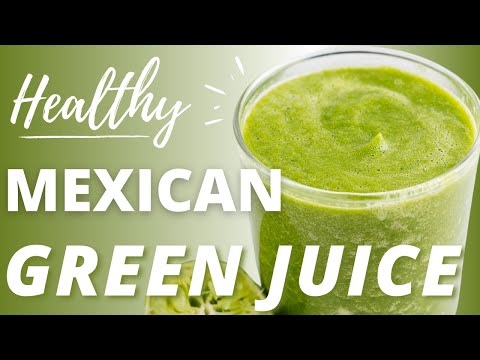
Watch how to make it
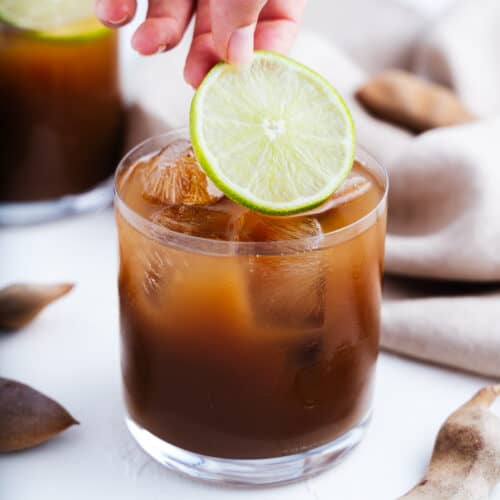
More refreshing drinks


Hungry for more?
If you enjoyed this recipe, please consider leaving a star rating and a comment down below! Your feedback not only helps others discover our blog but also gives us valuable insights from your experience.
Don’t forget to subscribe to our newsletter for the latest recipes, and check out our shop for our top kitchen recommendations. Thank you for supporting BBV!
Recipe
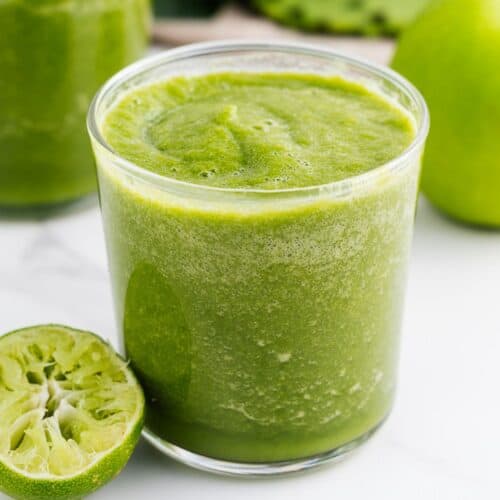
10-Minute Jugo Verde (Made with Cactus)
Equipment
- Knife & cutting board
- Blender
- Strainer or nut milk bag
Ingredients
- 1 cactus pad
- ½-inch chunk ginger
- 2 cups pineapple chunks
- 1 stalk celery
- 1 green apple
- 1 navel orange
- 1 lime
- 1 cup spinach
Instructions
- Using a towel or just holding it carefully, prepare the nopales by cutting around both edges to remove the outer thorns. For the rest, run the edge of your knife in a horizontal fashion all over the pad until the thorns are gone.
- Turn it over and repeat the same process on the second side. Roughly chop what is left and transfer it to a blender. Remove the ginger skin with a spoon. Cut away the pineapple skin and roughly chop it. Core and chop the apple and celery, and add everything to a blender.
- Cut the orange and lime half and squeeze both into the blender as well. Mix on high until no chunks remain.
- if you prefer no pulp, strain the juice into a cup or container before serving. Happy drinking!
Notes
Nutrition
Note: I’ve updated this post to include new information and helpful tips about the recipe.

Mitch Chapman is a food writer, photographer, and one of the founders of Broke Bank Vegan. With a background in healthcare and the restaurant industry, he has a passion for sharing healthy yet flavorful plant-based food.
That’s an awesome vitamin boost! Loved it!
Hi Nora,
Our thoughts exactly! Happy to know you enjoyed it 🙂
Thank you so much for this healthy recipes it’s a pleasure cuz everytime I go on line to I lost weight for my health I been doing jugoso verbes & I been feeling wounderful with nopales and celery living a healthy lifestyle you have more engery move around better .
Hi Lizette,
You are so welcome! We’re glad you enjoyed it 🙂
Just like we had on our trip. I see nopales in the Mexican market so I will keep my eyes out for them.
Hi Mary,
Yum! We hope you enjoy making jugo verde at home! 🙂
Prickly pear is the red fruit that becomes a nopal (cactus). It is not the name of the nopal. In México, we call it a tuna.
Hi Ana,
That’s right! Prickly pear cactus is another name for Opuntia cactus, which produces prickly pears (aka tuna). We are using nopales in this recipe, not tuna. Hopefully that clarifies things!
Jugo verde looks delicious my favorite.
Hey Swathi!
It’s such a healthy and delicious combination! Glad you know you enjoyed it!