
Chipotle Peppers
Famously known around the world, chipotle peppers (or chile chipotle meco) bring smoke and spice to Mexican and Tex-Mex dishes. Find out everything you need to know in this guide, including what they are, where to find them, and how to prepare them for recipes.

What are chipotle peppers?
Chipotle peppers, often referred to as just chipotles, are a type of smoked and dried jalapeno pepper. In fact, the word “chipotle” is derived from the Nahuatl word “chīlpoctli,” meaning smoked chile.
There are two main varieties of chipotle peppers — chile meco and chile morita. The term “meco” refers to a specific variety of chipotle that is smoked for a longer period, resulting in a tan color and a tougher, drier texture than morita chipotles.
Meco chipotle peppers are left to ripen until they are much darker red and larger than morita chiles. They are also smoked for a longer time period, giving them a deeper, more intense smoky flavor. They are widely used in Mexican cuisine to add rich, smoky notes to sauces, stews, and marinades.

Flavor profile
Chipotle peppers carry some heat, but they are mainly added to dishes for their deep smoky flavor that results from the drying and smoking process they undergo.
The smoke imparts a rich, robust taste and adds complexity that enhances the jalapeno’s natural spiciness. Chipotle peppers also carry earthy undertones with a hint of nuttiness and sweetness.
Spice level
Chipotle peppers are considered a medium-hot chile, ranging from 5,000 to 10,000 Scoville Heat Units (SHU) on the Scoville Scale. This range places them at a comfortable level of spiciness for most people, providing a significant but manageable kick.
The heat is balanced by their smoky and slightly sweet undertones, making them a great choice for adding depth to dishes without overwhelming the palate with spice. Since they are the dried form of jalapenos, note that they contain a more concentrated level of capsaicin (the compound that gives chiles their spice).

Health benefits
Chipotle peppers carry a substantial amount of health properties. They are rich in capsaicin, which offers a myriad of benefits.
Capsaicin contains anti-inflammatory properties that reduce the risk of heart disease. On top of that, this compound has been shown to increase metabolic rate, which can ultimately lead to a healthier weight.
Chipotle peppers are also a great source of vitamins, particularly vitamin C and vitamin A, which are important for immune function and vision.
Cooking with chipotle peppers
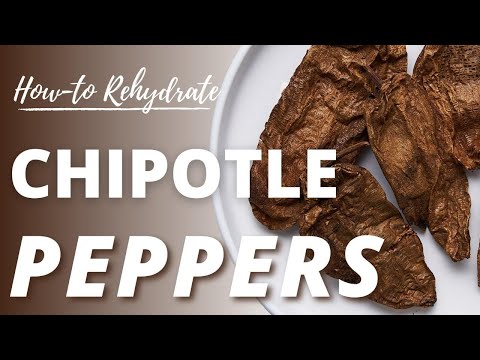
Chipotle peppers can be rehydrated in hot water until they soften. Once rehydrated, they can be blended into sauces, soups, or marinades, adding a deep, smoky flavor.
You can also grind dried chipotles into a powder to season roasted vegetables, tofu, and beans. Their flavor pairs well with lentil soups, bean stews, or vegetable chilis to introduce a smoky depth.
Learn how to seed and rehydrate chipotle peppers in my video tutorial below!
Recipes
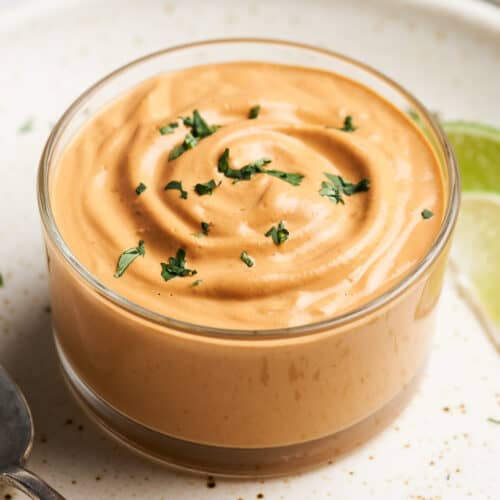
In order to achieve that smoky flavor everyone loves, chipotle peppers are a must. Here are some ideas for recipes you can try incorporating this spicy pepper into:



Storage
Store chipotle peppers or chipotle powder in a dark, dry, and cool place so they stay fresh. A cupboard is ideal, but a pantry or spice drawer also works.
I recommend storing them in glass containers because it helps keep bugs out and locks in the flavors. If you don’t have space in your cupboards or pantry, use an opaque container for storage since light degrades chiles quickly.
Buying guide
Now that you know what chipotle peppers are, it’s time to familiarize yourself with the buying process. To make sure you’re buying true meco chipotle peppers (not morita chiles), look for tobacco-colored, cigar-like, and stiff-feeling chiles.
Avoid chipotle peppers that are overly soft or damp, which can indicate moisture damage. Alternatively, extremely dry or cracked chipotle peppers are likely past their prime and will have a decreased flavor.
True chipotle meco chiles are much more difficult to find outside of Mexico than morita chiles. If you live in a city with a Mexican or Latin market, you may be able to find them there. Another option is to order chipotle peppers online.

Substitutions
Because of how unique the chipotle pepper flavor is, it’s challenging to find a good replacement. However, there are a few options that should do the trick if you’re in a pinch:
- Morita chiles: Although slightly fruitier, morita chiles also impart a smoky flavor with a less intense flavor than chipotle peppers. You might want to add a few more to the recipe if it’s the smokiness you’re after.
- Chipotles in adodo: Chipotle peppers in adobo are available in most grocery stores and work great for many recipes. However, since they are covered in adobo, they may not work as a replacement in every dish.
- Pasilla de Oaxaca: Pasilla de Oaxaca chiles are equally challenging to find outside of Mexico, but they provide mildly fruity notes and smoky flavors. Between 4,000 and 10,000 SHU, their spice level is similar to chipotle peppers.
Frequently asked questions
Yes, chipotle peppers are the most heavily dried and smoked pepper you can find.
No, cayenne powder is considerably hotter than chipotle powder. Cayenne powder has an SHU between 30,000 and 50,000, whereas chipotle powder has an SHU around 5,000 to 10,000.
If you have access to jalapeno pepper seeds, you can grow your own by leaving them on the plant until they’re very dark red. However, you will need access to a smoker to make meco chipotle peppers.

More Mexican chiles
If you’re interested in learning about more popular chiles used in Mexican cooking, check out our other detailed guides:
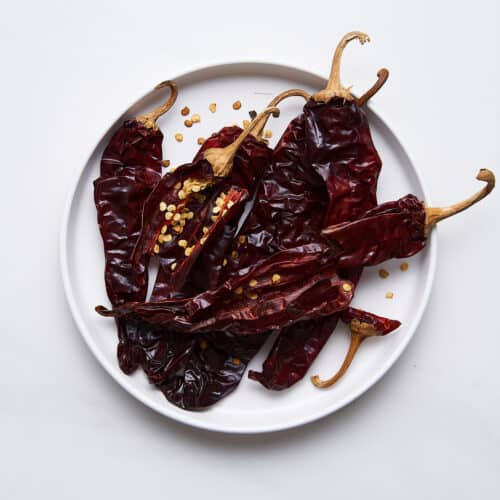
Dried chiles


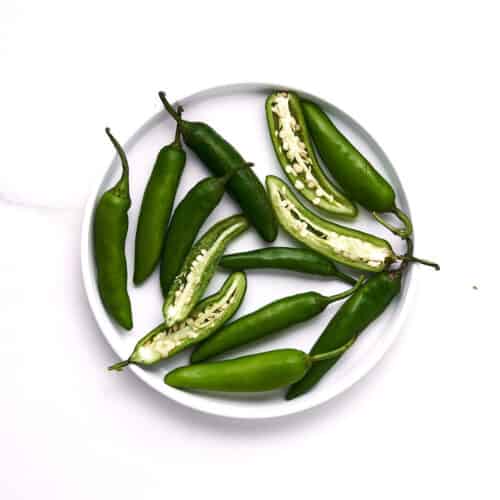
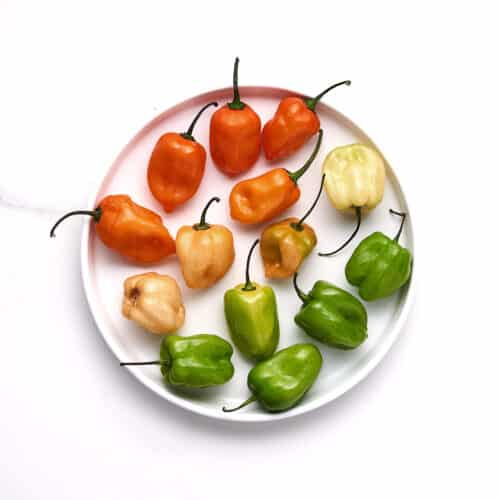
Fresh chiles


Watch how to make it
Hungry for more?
If you enjoyed this recipe, please consider leaving a star rating and a comment down below! Your feedback not only helps others discover our blog but also gives us valuable insights from your experience.
Don’t forget to subscribe to our newsletter for the latest recipes, and check out our shop for our top kitchen recommendations. Thank you for supporting BBV!
Recipe

How to Rehydrate Chipotle Peppers
Equipment
- Kitchen shears
- Cast-iron skillet or comal
- Saucepan
Instructions
- Using kitchen shears, cut off the stems of the chiles and cut them open. Remove the seeds and veins and discard.
- Heat a cast-iron skillet over medium, then dry toast them for ~30-60 seconds per side until fragrant.
- Bring a saucepan of water to boil, then turn the heat off, add the chipotle peppers, cover the pot, and let the chiles rehydrate for 10-15 minutes until they feel soft and pliable.
- Your chiles are now ready to be used in recipes like salsa, stuffed chipotles, or chili.
Notes
Nutrition
Note: I’ve updated this post to include new information and helpful tips.

Mitch Chapman is a food writer, photographer, and one of the founders of Broke Bank Vegan. With a background in healthcare and the restaurant industry, he has a passion for sharing healthy yet flavorful plant-based food.