
Taro Latte
Start your day off on a smooth, creamy note with this easy taro latte recipe! It only requires 5 ingredients and 5 minutes to make. Merging the earthy sweetness of taro with the richness of milk and a kick of espresso, it’s perfect for mornings when you want something a little different.

If you’re a fan of taro milk tea, this taro latte is for you! Made with an all-natural, sugar-free, and dairy-free powdered mix, it’s the perfect homemade replacement for store-bought lattes packed with syrups and other additives.
Why I love this recipe
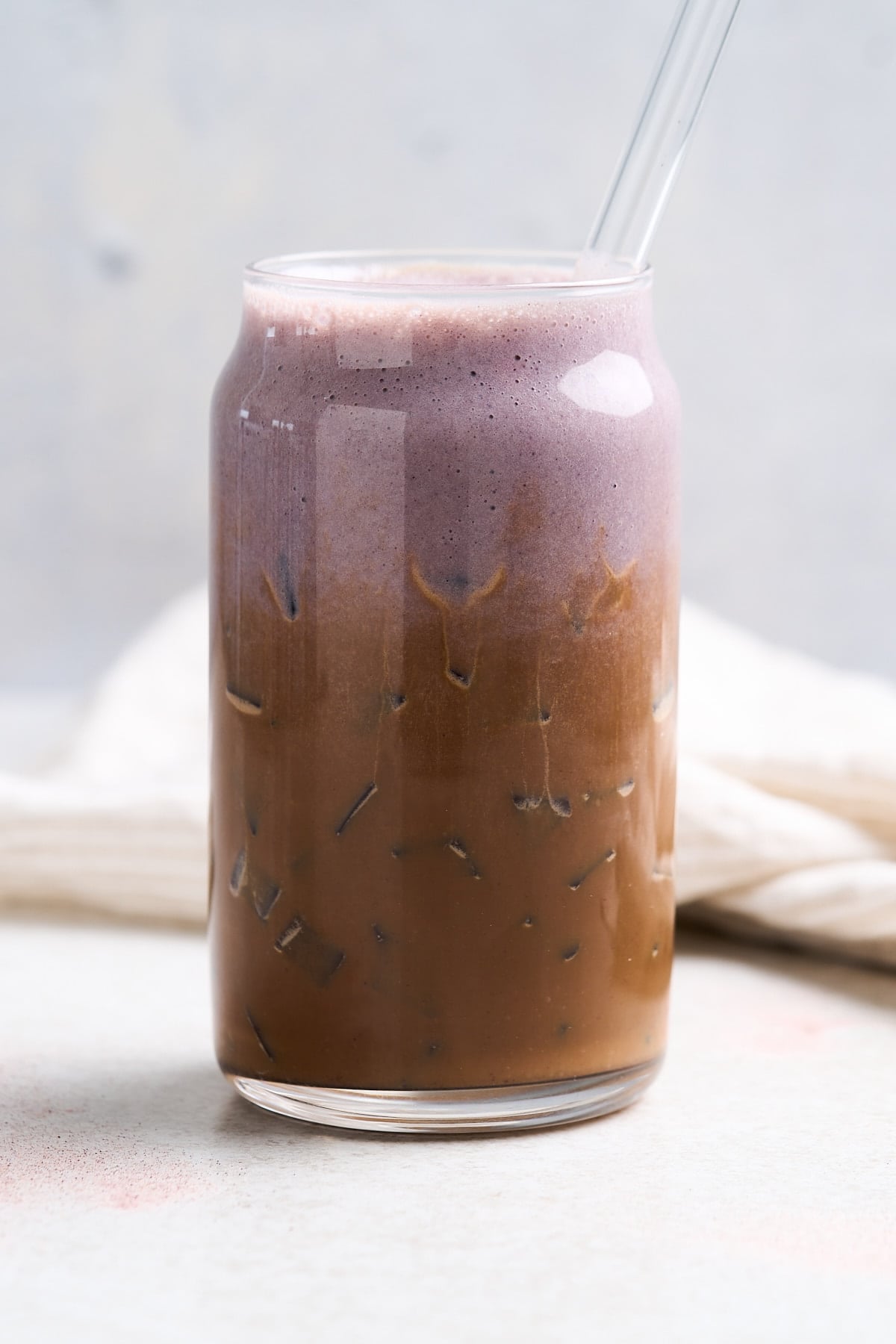
Besides the gorgeous purple hue, this taro latte is packed with antioxidants and other nutrients from taro root and purple sweet potato. With the added kick of espresso, it’s a perfect morning or afternoon pick-me-up.
The creamy texture, coupled with the uniquely chestnutty flavor of taro and a hint of sweetness is a must-try. You can even swap the espresso for jasmine tea or a caffeine-free option for a cozy late night treat.
I use natural taro powder to keep the preparation time to a minimum, so you can enjoy this beverage any time the craving strikes! Skip the lines and expensive prices of bubble tea and coffee shops by making your own version at home.
Ingredient notes
You only need a few pantry staples to make this quick and simple taro latte. You’ll find a breakdown and suitable substitutes below.
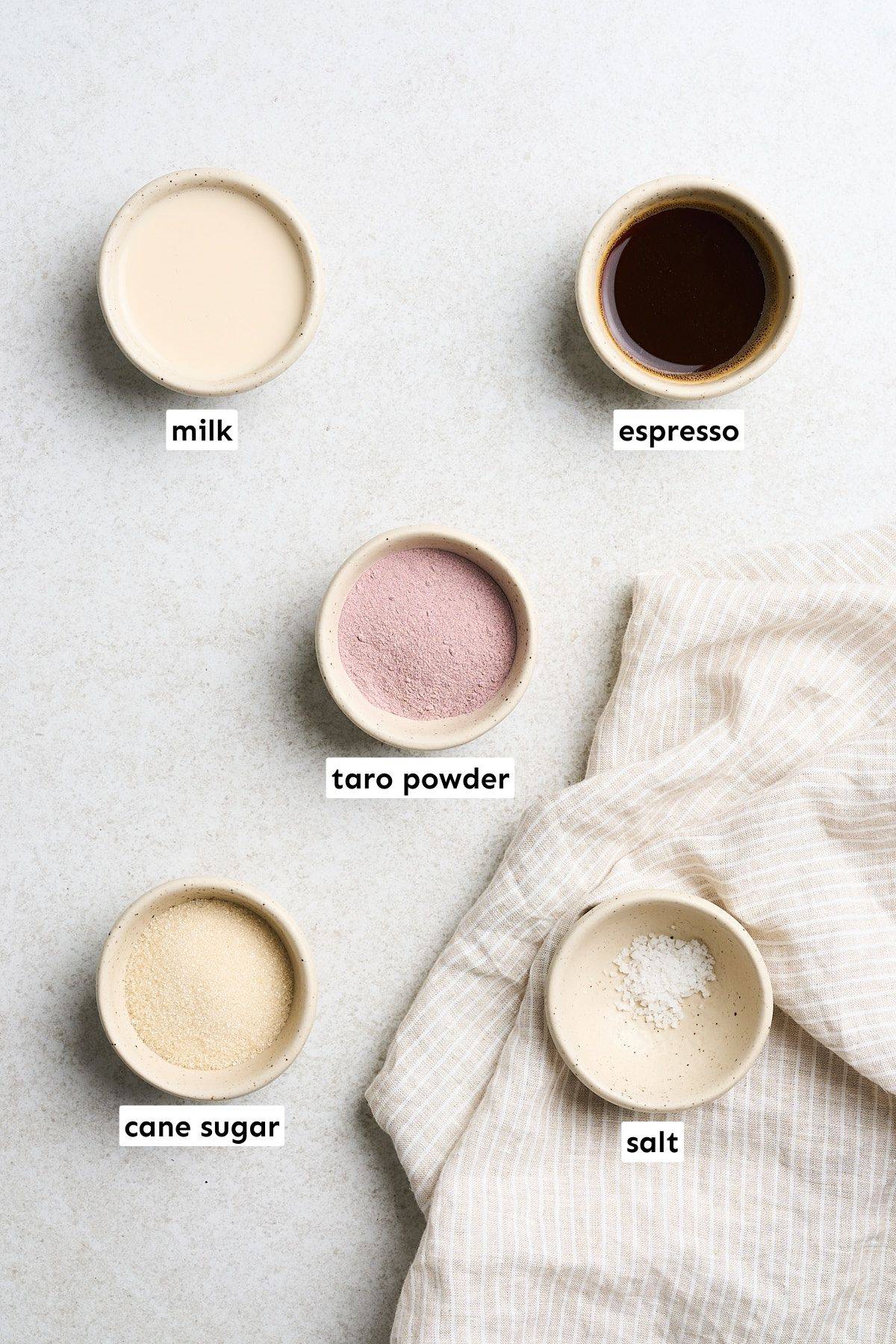
Milk
Like all lattes, milk makes up the base of the drink, giving it a rich and creamy consistency. I prefer coconut milk since the tropical taste complements taro root well.
Substitute: Try your taro latte with other varieties, like soy, oat, cashew, or almond, to see what you like best. The flavor and creaminess will vary slightly with each type.
Taro
Gives the latte its distinctive purple hue and a sweet, nutty flavor. The taro powder I use is from Nuestra Raiz and contains only taro root and purple sweet potato for natural coloring, so check for this when you are shopping around. I’ve also found this taro powder from Suncore Foods with the same ingredients.
Substitute: Purple sweet potato powder makes the best substitute, offering a similarly subtly sweet taste. You can also try ube powder or jam (ube halaya) if you can find some at a local Filipino market.
Cane sugar
Adds a delicate sweetness to balance the taro’s earthiness. Use organic, unrefined cane sugar, or make sure it’s vegan-certified.
Substitute: An equivalent amount of maple syrup, agave, or coconut nectar will also work in the same quantity for a different kind of natural sweetness.
Espresso
Provides a robust coffee flavor that complements the sweetness of the latte. For the strongest brew, use an espresso machine, AeroPress, or Bialetti Moka Pot.
Substitute: Strong brewed coffee can be used, but the intensity of the coffee flavor might be less pronounced.
For a complete ingredient list and step-by-step guide, scroll down to the recipe card.
How to make
Learn the best way to make a taro milk latte with my straightforward, easy-to-follow instructions. Look for the tips in green throughout this section for consistent and successful results!
Cooking
Step 1
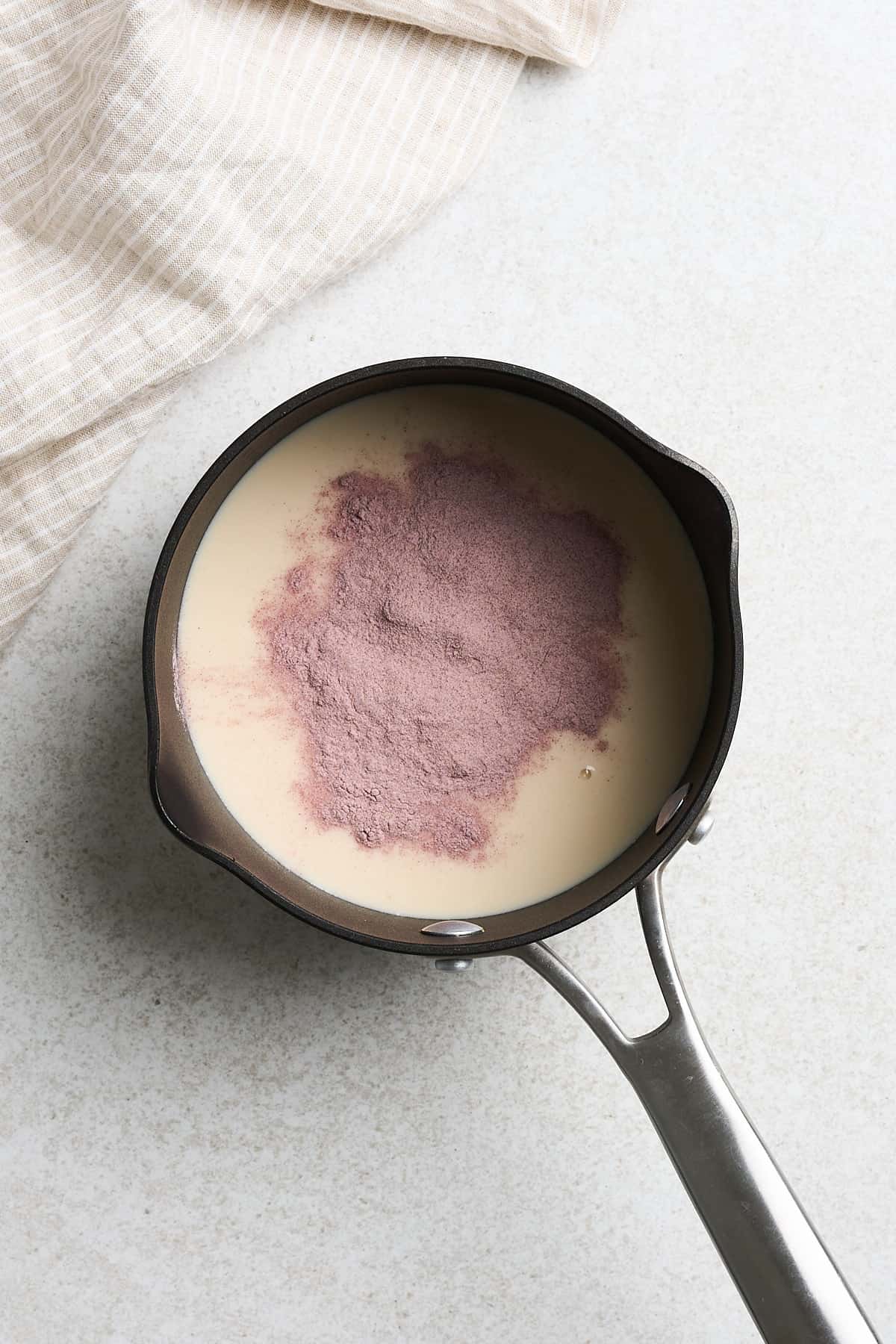
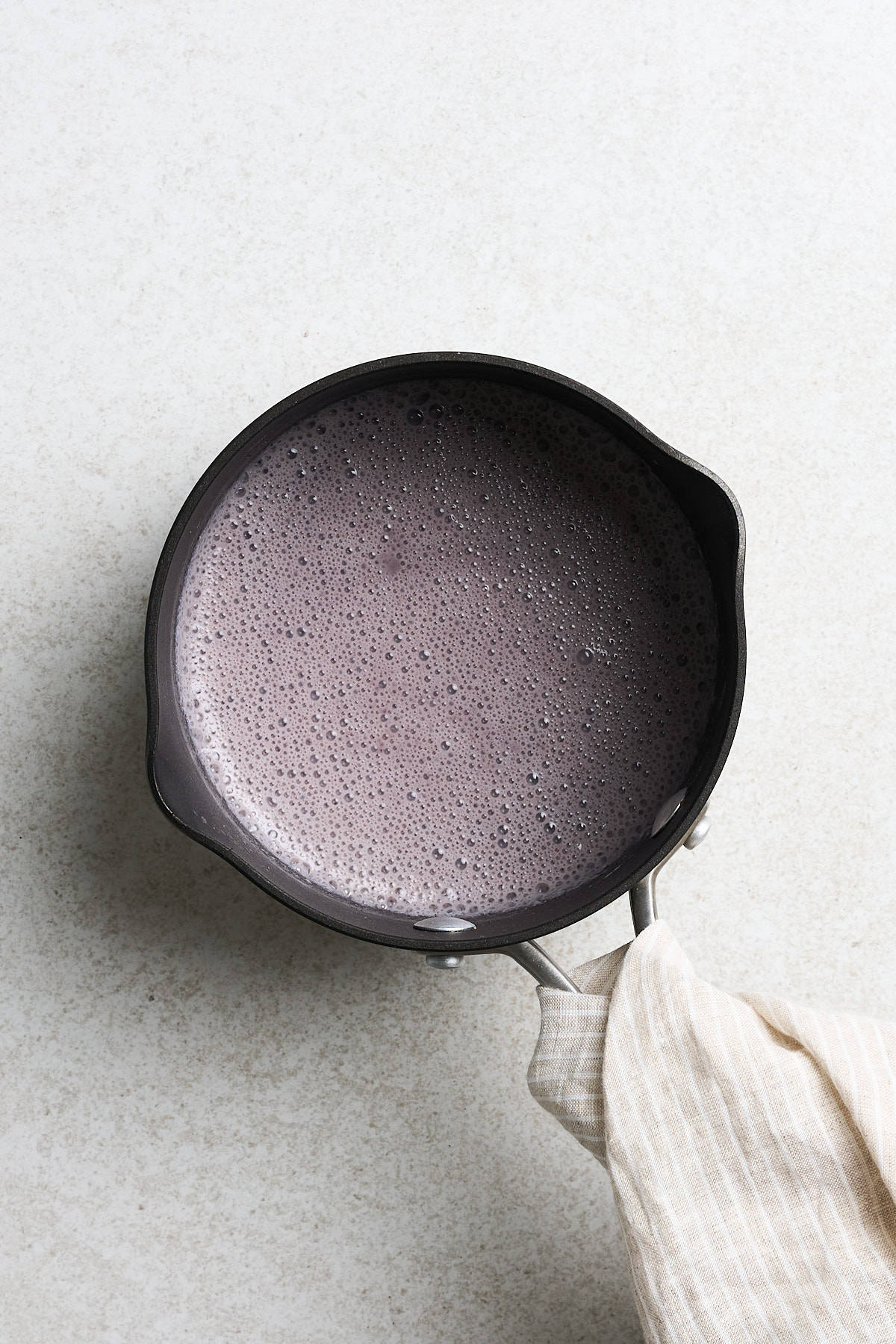
Add the milk, taro powder, cane sugar, and sea salt to a small saucepan. Heat the mixture over low-medium for 4-5 minutes, whisking constantly, until hot.
A pinch of salt enhances the overall flavor, contrasting with the sweetness and bringing out the taro’s unique taste.
Step 2
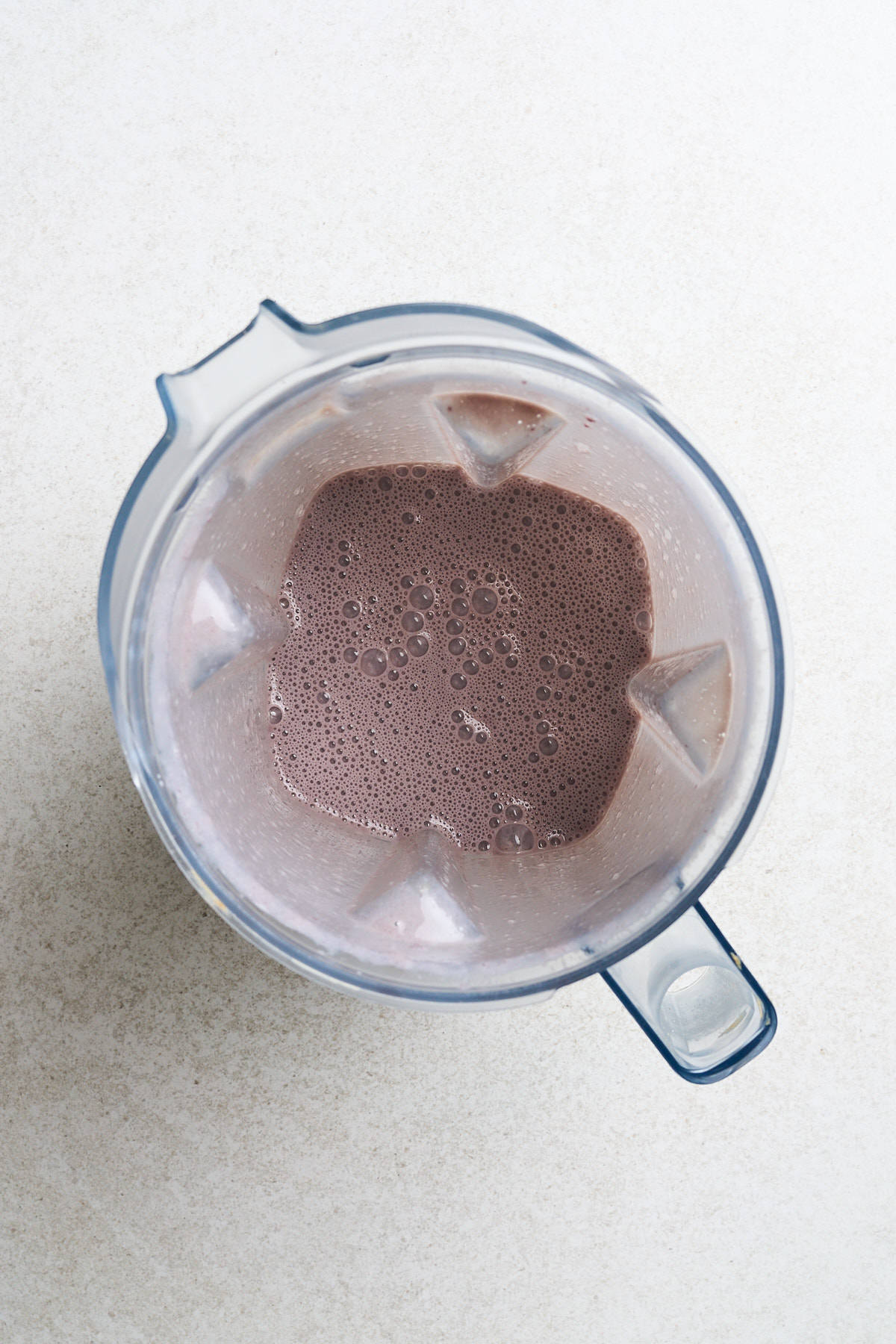
Transfer the heated mixture to a blender and blend on high to froth the milk and better incorporate the taro powder.
Blending for about 30 seconds should create the perfect froth. Be careful with hot liquids in a blender. It’s important to allow steam to escape while blending. If you don’t have a blender lid with vents, cover it with a dishcloth.
Step 3
While the taro milk mixture is heating, prepare 2 shots of espresso and pour them into the mug you’ll be serving the latte out of.

Step 4
Pour the frothed taro mixture over the espresso, then garnish your taro latte with a dusting of cinnamon or vegan whipped cream for added flavor. For a cold taro latte, skip heating the taro mixture in the saucepan and serve it over ice. Happy drinking!
Pour the taro milk slowly to create layers in your latte, adding a more aesthetic touch.

Expert tip
Creating the perfect taro milk latte flavor comes from achieving the right balance between the taro flavor and the creaminess of the milk. Too much taro can overpower the delicate flavors, while too little will leave you with a bland drink.
This is why it’s important to use high-quality taro powder. Look for a brand that offers a rich, authentic flavor without artificial additives. Avoid premade bubble tea mixes with added sugars and milk powders.
Also, the temperature at which you heat the milk and taro mixture should be hot enough to dissolve the taro powder and sugar but not so hot that it scorches the milk, which can negatively affect the flavor.
Variations
If you can’t find taro powder, try making this taro latte with fresh taro root. For every tablespoon of taro powder, use approximately ⅓ cup of steamed and mashed taro cubes.
You’ll have the best luck finding fresh taro in the produce section of your local Asian market. You can also add a few cubes of purple sweet potato for natural color, and don’t forget to peel both the taro root and sweet potato.
Cooking tips
Espresso quality: Use freshly brewed espresso or strong coffee for the best flavor. The robustness of the coffee complements the creamy sweetness of the taro.
Froth the milk: For an authentic latte experience, froth the milk mixture to create a smooth, creamy texture. A blender is great for this, especially if you don’t have a frother.
Consistency: If the latte is too thick, add a bit more milk to thin it out. The ideal consistency should be creamy but not overly heavy.
Frequently asked questions
Absolutely! Although it won’t taste as indulgent, you can omit the cane sugar completely or use sugar-free sweeteners like stevia and monk fruit.
Yes! Enjoy a creamy, caffeine-free taro milk by omitting the espresso or coffee. You can also replace it with an equivalent amount of decaf coffee or caffeine-free tea.
You can use a French press. Pour the warm milk mixture into the press, then pump the plunger up and down vigorously for about 15-30 seconds until the milk is frothy and has roughly doubled in volume.
Storing & reheating
Allow the taro latte to cool before placing it in the fridge. Use an airtight container or mason jar to keep it fresh. The mixture can be refrigerated for up to 2 days this way.
The best way to reheat your latte is by gently warming the mixture in a saucepan on the stovetop, whisking constantly, until warm. You can also leave it chilled and serve it over ice cubes for an iced taro latte.
More drink recipes



Hungry for more?
If you enjoyed this recipe, please consider leaving a star rating and a comment down below! Your feedback not only helps others discover our blog but also gives us valuable insights from your experience.
Don’t forget to subscribe to our newsletter for the latest recipes, and check out our shop for our top kitchen recommendations. Thank you for supporting BBV!
Recipe

Taro Latte (5 Ingredients)
Equipment
- Saucepan
- Blender
Ingredients
- 1 cup milk of choice (coconut, soy, oat, etc.)
- 2 tablespoons taro powder (vegan-friendly)
- 2 tablespoons cane sugar
- 1 small pinch of sea salt
- 2 shots of espresso (or strong coffee)
For serving
- Vegan whipped cream
- A sprinkle of cinnamon
Instructions
- Add the milk, taro powder, cane sugar, and sea salt to a small saucepan. Heat the mixture over low-medium for 4-5 minutes, whisking constantly, until hot.
- Transfer the mixture to a blender, and blend it on high to froth the milk.
- In the meantime, prepare 2 espresso shots and pour them into a mug. Pour the taro mixture over top.
- Serve your taro latte immediately while hot with a dusting of cinnamon or some vegan whipped cream on top. For a cold taro latte, skip heating the taro mixture in the saucepan and serve it over ice. Happy drinking!
Notes
Nutrition

Justine Drosdovech is a food writer, photographer, and one of the founders of Broke Bank Vegan. She is a self-taught plant-based chef but uses her healthcare background to craft dishes that are both delicious and nourishing.